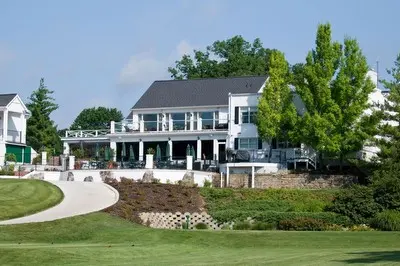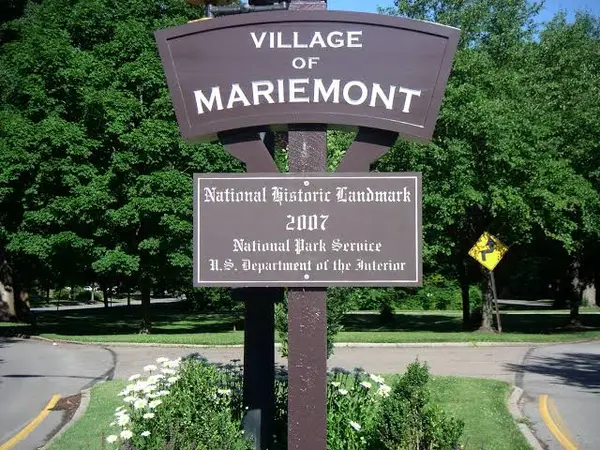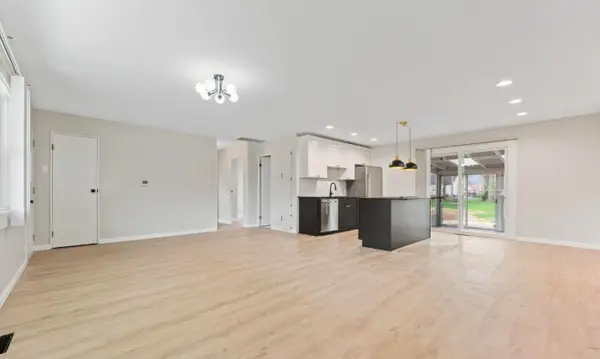
Explore the best neighborhoods and subdivisions in Loveland, Ohio
by Griffin Cook

The Best Communities and Neighborhood Subdivisions in Loveland, Ohio
Your Guide to Ohio & Florida Neighborhoods
More Than a Place to Live. A Lifestyle to Love.
Imagine starting your Saturday with a bike ride along the Little Miami Scenic Trail, stopping downtown for coffee, browsing a locally owned boutique, and enjoying lunch near the river. Later, you return home to a quiet residential street, mature trees, a spacious backyard, or a beautifully designed home in an established subdivision.
That is part of the appeal of Loveland, Ohio.
Known as the “Sweetheart of Ohio,” Loveland blends small town character with outdoor recreation, neighborhood living, independent businesses, and convenient access to the greater Cincinnati area. Located near Interstate 275 and State Route 48, the city sits approximately 15 miles northeast of Cincinnati’s city limits. Importantly for homebuyers, the broader Loveland area extends beyond the city itself, creating even more neighborhood options to explore.
Whether you are searching for a character filled home near historic downtown, a traditional suburban neighborhood, a newer home with modern finishes, or a larger property with more privacy, Loveland offers a variety of possibilities. The right choice depends on the lifestyle you want, the home that fits your needs, and the details that matter most to you.
Why Loveland Continues to Attract Homebuyers
Loveland stands out because it offers more than one definition of suburban living.
Outdoor recreation close to home. The Little Miami Scenic Trail runs through Historic Downtown Loveland alongside the Little Miami River. Residents can walk, bike, explore nearby parks, or spend time on the water. Nisbet Park provides a convenient gathering place near the trail, with picnic areas and access to downtown amenities.
A genuine downtown experience. Historic Downtown Loveland features independent shops, restaurants, sweet treats, local events, and places to meet friends. It is a destination for residents and visitors, but it also contributes to the everyday appeal of living nearby.
Neighborhood variety. Buyers can explore established subdivisions, traditional residential streets, homes with mature landscaping, newer construction, and properties in the surrounding townships. That range makes it important to look beyond a city name or ZIP code when comparing homes.
Convenient regional access. Loveland offers connections to major routes and employment centers throughout Greater Cincinnati. Commute times will depend on the exact neighborhood, destination, and time of day, so test driving your regular route is worthwhile.
Community experiences throughout the year. Seasonal markets, outdoor activities, local dining, and community events create opportunities to connect with the area beyond your own front door.
For many buyers, Loveland delivers a balance of outdoor access, neighborhood character, and everyday convenience that can be difficult to capture by looking at a property listing alone.
Exploring Loveland’s Neighborhoods and Subdivisions
One of the most important things to understand about Loveland real estate is that neighborhood names, municipal boundaries, school district boundaries, and mailing addresses do not always match.
The City of Loveland identifies numerous neighborhoods within its municipal boundaries, including Downtown, East Loveland, Historic West Loveland, North Heights, Mid Heights, Fox Chase, Fox Meadow Farms, Glen Lake, Pheasant Hills, Pheasant Hills on the Lake, River’s Bend, Riverside, Steeple Chase, Stoneybrook, Sugar Tree Estates, The Reserve of Loveland, and others.
Here is how to begin exploring the different settings and home styles.
1. Historic Downtown Loveland
Best for buyers who value character, local businesses, and proximity to outdoor recreation.
Historic Downtown Loveland is the heart of the community’s lifestyle appeal. Its location along the Little Miami River and Scenic Trail creates an environment where an afternoon walk, a bike ride, a restaurant visit, or a quick stop at a local shop can become part of the weekly routine.
Nisbet Park is a major gathering point, while the surrounding downtown streets provide access to dining, shopping, and seasonal activities.
Housing in and around downtown can appeal to buyers who appreciate an established setting and want to be closer to the activity. Property styles, lot sizes, parking arrangements, and maintenance requirements can vary considerably from one street to another.
What buyers should consider: Proximity to the trail and downtown can be a lifestyle advantage, but it is important to evaluate traffic during busy seasons, parking, privacy, noise, and any applicable floodplain considerations for properties near the river.
What sellers should highlight: Walkability, outdoor recreation, nearby businesses, and the distinctive character of the location. The story is not simply the number of bedrooms. It is how easily a future owner can enjoy the surrounding community.
2. Historic West Loveland and Established Residential Streets
Best for buyers who appreciate established neighborhoods and a sense of place.
West Loveland and other established residential areas offer an alternative to newer subdivisions. Depending on the specific street, buyers may find mature trees, established landscaping, traditional architecture, and homes with individual character.
These neighborhoods can be appealing to buyers who prefer a setting that has developed over time rather than a newly built community with a more uniform appearance.
The key is to evaluate each property individually. Older homes can offer architectural charm and opportunities for thoughtful renovation, but buyers should also assess the roof, windows, plumbing, electrical systems, insulation, drainage, and other major components.
For sellers, well maintained original details, thoughtful updates, and mature outdoor spaces can be compelling features when presented through professional photography and a clear marketing strategy.
3. East Loveland and North Heights
Best for buyers exploring residential settings with convenient access to daily amenities.
East Loveland and North Heights are among the established neighborhood names identified on the city's neighborhood map. These areas are worth exploring if you want to compare residential streets, housing styles, access to major roads, and proximity to parks and everyday services.
The appeal can vary by location. Some buyers may prioritize an easier drive to work, while others may care more about yard space, a quiet street, or access to outdoor recreation.
Rather than assuming that an entire neighborhood offers the same experience, compare individual streets and homes. Pay attention to traffic patterns, sidewalks, lot orientation, surrounding development, and the distance to the places you visit most often.
For sellers, the most effective marketing identifies the property's actual advantages instead of relying on broad claims about the neighborhood.
4. Fox Chase and Fox Meadow Farms
Best for buyers comparing suburban subdivision living.
Fox Chase and Fox Meadow Farms are named residential neighborhoods within the City of Loveland. They belong on the shortlist for buyers who want to compare subdivision living with other options around the community.
When evaluating these neighborhoods, look at the home styles, floor plans, lot sizes, outdoor spaces, and overall condition of available properties. Consider how the homes accommodate everyday needs, from working remotely and entertaining to storage, hobbies, and future changes in household needs.
For sellers, it is helpful to understand which features buyers are responding to in competing homes. Updated kitchens, functional living spaces, outdoor entertaining areas, and well maintained mechanical systems may influence buyer interest, depending on current market conditions.
5. Glen Lake, Cedar Woods, and Other Nature Oriented Residential Pockets
Best for buyers who want to compare a residential setting with access to green space.
Loveland includes a number of neighborhoods and residential pockets where the surrounding landscape is an important part of the experience.
Glen Lake and Cedar Woods are among the names buyers may encounter while exploring the area. The city's broader trail and park network also creates opportunities to enjoy nature without leaving the community.
If outdoor space is a priority, look carefully at the property's topography, mature trees, usable yard area, drainage, and the amount of maintenance required. A wooded setting can provide privacy and visual appeal, but it may also require more attention to tree care, leaf removal, and drainage.
Buyers who want easy access to trails should confirm the actual route from the property rather than assuming that a neighborhood name means the trail is within walking distance.
6. Pheasant Hills and Pheasant Hills on the Lake
Best for buyers comparing established residential settings and individual property features.
Pheasant Hills and Pheasant Hills on the Lake are identified on the city's neighborhood map. They are useful additions to a search for buyers who want to compare different residential settings within Loveland.
As you tour homes, consider how the lot and floor plan support your lifestyle. Is there space for outdoor dining? Does the home offer a practical work from home area? Are the bedrooms and living spaces arranged for the way you use a home every day?
For sellers, the goal is to make those benefits easy to understand. Thoughtful staging, clear photography, and accurate descriptions can help buyers see the potential of a home and how its spaces function.
7. River’s Bend, Riverside, and Other River Corridor Areas
Best for buyers drawn to the Little Miami River and outdoor lifestyle.
Loveland's relationship with the Little Miami River is one of its defining characteristics. Neighborhoods and residential areas near the river corridor may appeal to people who value scenery, recreation, and access to the trail.
However, living near a river requires more than appreciating the view. Buyers should investigate flood maps, insurance requirements, property drainage, past water intrusion, and any applicable restrictions or disclosures. A property's distance from the river alone does not determine its flood risk.
For sellers, proximity to outdoor recreation can be an important lifestyle feature. It should be presented accurately and alongside the practical details that help buyers make informed decisions.
8. The Reserve of Loveland, Steeple Chase, and Sugar Tree Estates
Best for buyers broadening their search beyond downtown and the oldest residential streets.
These are additional neighborhood names identified on the city's official neighborhood map. Buyers exploring Loveland should include them in a broader comparison of available homes and residential settings.
The best fit will depend on the specific property and the features that matter most to you. Compare architecture, room sizes, lot characteristics, updates, neighborhood access, and the total cost of ownership.
If you are relocating from another city, consider visiting at different times of day. A neighborhood that feels ideal during a quiet weekend tour may feel different during weekday commuting hours.
For sellers, neighborhood positioning should be specific and grounded in the home's actual location, condition, and benefits.
The Greater Loveland Area: Communities Worth Exploring Nearby
Some of the most talked about neighborhoods in the broader Loveland area are outside the City of Loveland's municipal boundaries. That distinction matters when researching taxes, services, schools, and neighborhood amenities.
These nearby communities are worth considering when your home search extends beyond the city itself.
Willows Bend
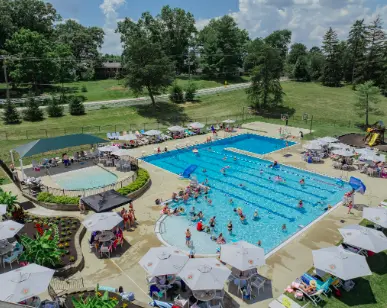
Willows Bend is in Miami Township near Loveland and is known for larger custom homes, wooded lots, and community amenities. Features associated with the neighborhood include a pool, pool house, tennis, pickleball, basketball, and a playground.
For buyers who want more space and a neighborhood setting with recreation options, Willows Bend may be worth exploring. Confirm the exact property location, applicable HOA rules, fees, and current amenity access before making a decision.
Miami Trails
Miami Trails, located in Miami Township near the Loveland area, is another established neighborhood to consider when comparing homes beyond the city limits.
As with any subdivision, evaluate the individual property, lot, home style, updates, and access to the places that matter most to your household. Buyers should verify the relevant township, tax jurisdiction, and school assignment for the exact address.
Polo Fields
Polo Fields is in Union Township in Clermont County, outside the City of Loveland. It is an important distinction for buyers searching online because an area can be marketed as part of the broader Loveland region without being inside Loveland city limits.
If you are considering Polo Fields, verify the property's jurisdiction, school assignment, taxes, and commute for the exact address. Do not assume that a mailing address or proximity to Loveland means the home is within the city.
Beechwood Farms
Beechwood Farms is another community in Union Township worth considering for buyers who want an established neighborhood with wooded lots and a more private residential feel.
Because it is outside the City of Loveland, compare township services, school district boundaries, taxes, and neighborhood requirements alongside the home's features.
The takeaway: A search for Loveland real estate can include several different municipalities and townships. The best approach is to compare the actual address and property details rather than relying on a broad area label.
The Lifestyle Beyond Your Front Door
A neighborhood is more than the homes on its streets. It is also the places you visit, the activities you enjoy, and the experiences that become part of your routine.
The Little Miami Scenic Trail
The trail is one of Loveland's signature amenities. It supports walking, running, cycling, and connections to nearby communities. The City of Loveland notes that the trail runs directly through Historic Downtown and that the Loveland to Milford segment is approximately 9.5 miles.
For buyers, proximity to the trail can be a meaningful lifestyle benefit. For sellers, it can help tell the story of a home's location, especially when the route is genuinely convenient from the property.
Nisbet Park and the Little Miami River
Nisbet Park offers picnic areas and convenient access to the trail and downtown. The river corridor also draws people for paddling and other outdoor activities.
This is a major reason Loveland appeals to people who want recreation woven into daily life rather than limited to occasional weekend trips.
Local Restaurants, Coffee, and Independent Shops
Historic Downtown Loveland offers a variety of places to eat, shop, and meet friends. Local breweries, restaurants, boutiques, and sweet shops add to the community's appeal.
A useful way to explore is to spend a morning downtown, walk the trail, enjoy a meal, and visit the surrounding shops. You will get a better sense of the community than you would from driving through a subdivision alone.
Parks, Nature Preserves, and Outdoor Recreation
Loveland has community parks, neighborhood parks, and nature preserves. Phillips Park, East Loveland Nature Preserve, Simpson Ridge Trail, and West Loveland Nature Preserve offer different ways to enjoy the outdoors.
For people who value green space, these amenities can expand the lifestyle beyond the backyard. When evaluating a home, confirm which parks are realistically accessible and whether the routes suit your preferences.
Community Events and Seasonal Activities
Loveland's local calendar includes markets, community gatherings, and seasonal activities. The Loveland Farmers' Market is one example of a community experience that brings residents together during its seasonal operating period.
Events can help newcomers get connected, support local businesses, and give potential buyers a better feel for the area. Check current schedules before planning a visit, since dates and programming can change.
Schools, Commutes, Taxes, and Other Details to Verify
For many buyers, choosing a neighborhood also means making decisions about schools, transportation, property taxes, and household expenses.
School District Boundaries
Loveland City School District serves parts of Hamilton, Clermont, and Warren counties, including most of the City of Loveland and portions of surrounding townships. However, not every home described as being in the Loveland area is automatically assigned to Loveland City Schools.
If school assignment is important to your decision, verify the exact property address directly with the relevant school district. Do not rely on a listing description, ZIP code, or general neighborhood label alone.
Commute and Regional Access
Loveland's location near I 275 and State Route 48 supports regional access, but commute times vary by destination and traffic. Test your route during the hours you would normally travel, especially if you commute to Downtown Cincinnati, Blue Ash, Mason, or another major employment area.
Property Taxes and Jurisdiction
A Loveland mailing address does not necessarily mean a home is within Loveland city limits. Homes in nearby townships may have different tax jurisdictions, services, and local requirements.
Before purchasing, confirm the property's municipality or township, current tax bill, applicable assessments, and any HOA fees.
Flood Risk and Property Maintenance
For homes near the river, creeks, or lower lying areas, investigate flood risk and insurance requirements. For homes with mature trees or wooded lots, review drainage, tree health, roof condition, and ongoing exterior maintenance.
These considerations do not make a property less desirable. They help you understand the complete ownership picture before making a commitment.
Buying a Home in Loveland: How to Find the Right Fit
The best Loveland neighborhood is the one that fits the way you want to live, not simply the one with the most recognizable name.
Before beginning your search, consider these questions:
-
Do you want to be close to Historic Downtown Loveland and the Little Miami Scenic Trail, or would you prefer a quieter residential subdivision?
-
Is a larger yard, wooded lot, updated interior, newer construction, or more flexible living space most important?
-
Would you use a community pool, tennis court, playground, or other neighborhood amenities?
-
How much time do you want to spend commuting, driving to restaurants, or reaching parks and shopping?
-
Are you comfortable taking on updates, or would you prefer a home that is move in ready?
-
What are the total ownership costs, including property taxes, insurance, utilities, maintenance, and HOA fees where applicable?
Touring a variety of neighborhoods can help you identify what matters most. Sometimes the right home is not in the first subdivision you considered. It is the one that best balances your priorities, budget, and lifestyle.
Selling a Home in Loveland: Market the Lifestyle, Not Just the Property
If you are preparing to sell a home in Loveland, your marketing should reflect what makes the property and its location distinctive.
A successful strategy begins with understanding the competition. Buyers may be comparing your home with properties in Historic Downtown, established subdivisions, newer developments, and surrounding communities.
The most effective marketing plan should highlight the home's strongest features, present its condition accurately, and explain the lifestyle it supports.
Consider emphasizing:
The home itself. Showcase the layout, natural light, updates, storage, outdoor living spaces, and features that make everyday life easier.
The neighborhood. Describe the actual location and its relevant advantages, whether that means proximity to the trail, parks, downtown, shopping, or convenient commuter routes.
The visual presentation. Professional photography, thoughtful staging, and compelling property descriptions help buyers understand the home's appeal before they schedule a showing.
The pricing strategy. Evaluate comparable properties, current competition, condition, and buyer demand. A strong price is based on market evidence, not simply the amount invested in improvements.
The complete ownership picture. Prepare accurate information about property taxes, HOA requirements, updates, and other relevant details that help buyers evaluate the home.
The goal is to create a clear, compelling story while making it easy for qualified buyers to understand the value of the property.
The property is the product. The lifestyle is the story.
Relocating to Loveland: Experience the Community Before You Choose
If you are moving to Greater Cincinnati from another city or state, Loveland deserves a place on your neighborhood tour.
Spend time downtown. Walk or bike the Little Miami Scenic Trail. Visit the parks. Explore local restaurants and shops. Drive through several subdivisions, and visit the areas you are considering at different times of day.
If you are comparing Loveland with other Greater Cincinnati communities, evaluate more than the home price. Consider the commute, outdoor access, community amenities, property taxes, maintenance needs, and the places you will visit every week.
For buyers relocating from Florida or another warm weather market, it is also worth considering the seasonal changes in Southwest Ohio. Winter weather, fall leaves, spring rain, and summer humidity can influence exterior maintenance and how you use outdoor spaces throughout the year.
A thoughtful relocation decision is about finding a home and a community that work together.
Final Thoughts: Find Your Place in Loveland
Loveland's appeal comes from its combination of neighborhood variety, outdoor recreation, local businesses, and small town character within reach of Greater Cincinnati.
You may be drawn to the energy of Historic Downtown, the character of an established residential street, the comfort of a traditional subdivision, or the space and amenities of a nearby community. Each option offers a different way to experience the area.
For buyers, the opportunity is to discover which neighborhood fits your priorities. For sellers, it is to communicate what makes your property and its setting valuable. For people relocating to Greater Cincinnati, it is to find a community where everyday life feels right.
As a local real estate resource, I believe the best decisions begin with understanding the bigger picture. The home matters. The neighborhood matters. And the lifestyle matters, too.
If you are considering buying, selling, or relocating in Loveland or another Greater Cincinnati community, I would be glad to help you explore your options with a strategy built around your goals.
Categories
Recent Posts