Own a Distressed or Inherited Property in Greater Cincinnati? You Have Options.
by Griffin Cook

Own a Distressed or Inherited Property in Greater Cincinnati? You Have Options.
Inherited a house you were not planning to own? Have a vacant property that needs more work than you want to take on? Or are you holding onto an investment property that no longer makes financial sense?
You are not alone, and you do not necessarily need to spend thousands of dollars preparing a property before selling it.
Across Greater Cincinnati, homeowners, families, and property owners are dealing with inherited homes, outdated rentals, vacant houses, deferred maintenance, and properties that need significant repairs. Sometimes the property has been in the family for generations. Sometimes it was an investment that has become more work than expected. Other times, an unexpected life change makes selling the simplest next step.
Whatever the circumstances, there are options.
I help connect property owners with potential local cash buyers who are actively looking for opportunities throughout Greater Cincinnati, including Anderson Township, Milford, Loveland, Union Township, Mason, Oakley, Mariemont, and surrounding communities.
My goal is to help you understand the available selling options, make an informed decision, and find a path forward that makes sense for your situation.
You Do Not Have to Renovate Before Exploring a Sale
One of the biggest misconceptions about selling real estate is that every property needs to be completely updated, cleaned, repaired, and staged before it can be sold.
That simply is not always the case.
A property with an older kitchen, worn flooring, an aging roof, outdated bathrooms, or significant deferred maintenance may still appeal to buyers who are comfortable taking on a renovation.
The same is true for vacant homes, inherited properties, rental properties with outdated interiors, and homes that need substantial repairs.
Depending on the property and buyer interest, selling as is may be a practical alternative to investing additional time and money into renovations.
Here are some situations where exploring a cash sale may make sense.
1. Inherited Homes and Estate Properties
Inheriting a home can bring a mix of emotions, responsibilities, and decisions.
You may be managing an estate, coordinating with family members, handling ongoing expenses, or deciding what to do with a property that no longer fits anyone's plans.
The home may contain years of belongings, require repairs, or need attention before it could be marketed traditionally.
A cash buyer may be willing to purchase the property in its current condition, potentially allowing the estate or authorized owners to avoid extensive preparation.
Before moving forward, it is important to understand who has legal authority to sell, whether probate or other estate procedures apply, and whether all required parties have approved the transaction.
An inherited property does not have to become a long term responsibility simply because it needs work.
2. Vacant Homes and Properties That Need Major Repairs
Vacant properties can become expensive to maintain.
Even when no one is living in the home, expenses may continue to accumulate. Property taxes, insurance, utilities, lawn care, security, maintenance, and unexpected repairs can create an ongoing financial burden.
If a property has experienced water damage, roof issues, outdated mechanical systems, foundation concerns, or general neglect, preparing it for the traditional market may require a substantial investment.
A cash sale may allow you to explore an alternative without completing every repair.
Potential buyers may evaluate the property based on its location, land, renovation potential, and the scope of work required.
The important step is understanding what the property is worth in its current condition and comparing that with the likely cost, time, and uncertainty of making improvements before selling.
3. Outdated Rental Properties and Investment Homes
Owning rental property can be a valuable investment, but it is not always the right long term decision.
Perhaps the property needs a major renovation. Maybe maintenance costs have increased, the home has become difficult to manage, or you are ready to simplify your portfolio.
You may also be dealing with an older rental property that requires significant updates before attracting another tenant.
Selling to a cash buyer may be worth considering, particularly when you want to avoid renovating, marketing, or preparing the property for another rental cycle.
If the property is occupied, however, lease terms, tenant rights, required notices, and access arrangements must be handled appropriately. A sale does not automatically end a tenant's legal rights.
Before deciding, compare the potential sale proceeds with the property's income, operating expenses, future repair needs, and any tax consequences.
4. Homes That Need to Be Sold Quickly
Sometimes the reason for selling has little to do with the property's condition.
A relocation, financial change, divorce, family transition, or other unexpected circumstance may create a need to sell sooner than originally planned.
A qualified cash buyer may be able to offer a shorter closing timeline than a traditional financed purchase.
In some circumstances, a closing in as little as seven days may be possible. However, that is not guaranteed. Title work, ownership verification, inspections, liens, probate requirements, buyer due diligence, and closing arrangements can all affect the timeline.
The best approach is to understand the buyer's actual ability to close and establish a realistic schedule before signing an agreement.
What Does Selling a Property As Is Actually Mean?
Selling a home as is generally means you are offering the property in its current condition rather than agreeing to complete repairs or renovations as a condition of the sale.
That can be especially appealing when the property needs substantial work.
However, selling as is does not mean every responsibility disappears.
Ohio sellers may still have applicable disclosure obligations, and buyers may have inspection or due diligence rights depending on the contract. Known material issues should be handled honestly and in accordance with applicable law.
The purchase agreement should clearly explain the property's condition, inspection rights, responsibilities, closing costs, and any agreed upon terms.
A transparent transaction protects everyone involved.
How a Local Cash Sale Typically Works
If you are considering selling an inherited, distressed, vacant, or outdated property, the process may be more straightforward than you expect.
Step 1: Share the property details.
Provide the address, general condition, occupancy status, and any known issues. You do not need to renovate or clean the property before starting a conversation.
Step 2: Review the property's current condition and value.
The property's location, size, condition, repair requirements, comparable sales, and potential buyer demand all influence its value.
Step 3: Explore available cash buyer interest.
If there is a suitable buyer, you can review the proposed purchase price, proof of funds, contingencies, closing costs, and proposed timeline.
Step 4: Compare your options.
A cash offer is not automatically the best financial decision. It is important to compare the estimated net proceeds from a cash sale with what you might receive through a traditional listing, including potential repair costs, commissions, holding expenses, and time.
Step 5: Review the contract and closing requirements.
Once you decide to proceed, the title company and other appropriate professionals can help address ownership, title, liens, estate documentation, and closing requirements.
You should have a clear understanding of the agreement before signing.
Why Consider a Local Buyer?
Working with a buyer familiar with Greater Cincinnati can be helpful because property values and renovation opportunities vary significantly by community.
A distressed property in Anderson Township may attract a different buyer than an inherited home in Milford, a rental property in Oakley, or a vacant house in Union Township.
Local market knowledge matters when evaluating:
• Recent comparable property sales.
• Neighborhood demand and resale potential.
• Property condition and renovation costs.
• Lot size, location, and surrounding development.
• Rental demand and investment potential.
• Municipal requirements and property specific considerations.
The goal is not simply to find someone willing to purchase the property. It is to help you understand whether the proposed terms make sense.
Communities We Can Help You Explore Selling Options In
I welcome conversations with property owners throughout Greater Cincinnati, including:
Anderson Township: Established neighborhoods, larger homes, and properties with renovation potential.
Milford: Historic homes, established residential streets, and properties near the Little Miami River corridor.
Loveland: A mix of established neighborhoods, older homes, and properties near downtown and the Little Miami Scenic Trail.
Union Township: Residential communities, investment properties, and homes with a variety of lot sizes and conditions.
Mason: Established neighborhoods, newer construction, and investment properties in a highly sought after suburban market.
Oakley: Older homes, renovated properties, and convenient access to Cincinnati's urban amenities.
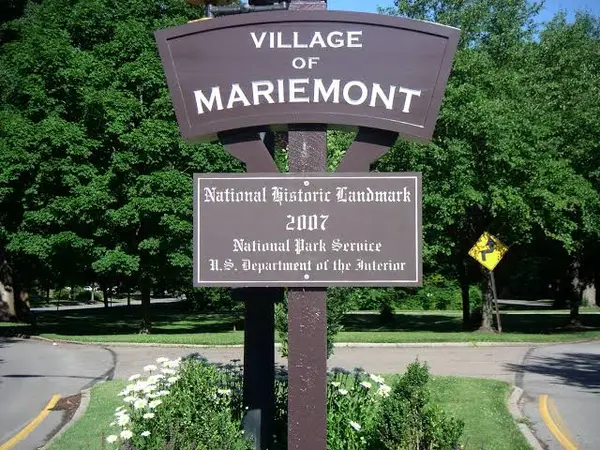
Mariemont: Distinctive historic homes and properties where architectural character and preservation considerations may be important.
I can also help property owners explore opportunities in surrounding communities throughout Hamilton, Clermont, Warren, and Butler counties.
Cash Offer or Traditional Listing? Understand the Difference.
Every property and owner's circumstances are different. A cash sale and a traditional listing each have potential advantages.
| Consideration | Cash sale | Traditional listing |
|---|---|---|
| Property condition | May be purchased as is | Presentation and repairs may improve buyer appeal |
| Preparation | Often less preparation | Cleaning, repairs, staging, and photography may be beneficial |
| Closing timeline | Potentially faster | Depends on buyer financing and contract terms |
| Buyer pool | Depends on interested cash buyers | Typically broader market exposure |
| Sale price | May reflect repair costs and convenience | Competitive offers may produce stronger gross proceeds |
| Showings | May involve fewer showings | Usually requires scheduled buyer access |
The right decision comes down to your priorities.
If convenience, fewer preparations, and a potentially shorter closing timeline matter most, a cash sale may be worth exploring.
If maximizing your potential sale price is the priority and the property is suitable for the open market, a traditional listing may be the better route.
I believe property owners deserve to understand both options before making a decision.
Before Accepting a Cash Offer, Ask These Questions
A cash offer can sound attractive, especially when you are dealing with an unwanted property. But it is important to evaluate the actual terms.
Ask the buyer:
-
Can you provide verifiable proof of funds?
-
Are you purchasing the property directly or assigning the contract to another buyer?
-
Are there inspection, financing, or other contingencies?
-
Who pays title, closing, and other transaction costs?
-
Is the proposed closing date realistic?
-
Can the purchase price change after inspection or due diligence?
-
What happens if the buyer does not close?
-
What is the estimated amount I will receive at closing?
A written offer should be reviewed carefully. Do not rely solely on a verbal promise of a fast closing or a high purchase price.
You Have Options, Even If the Property Needs Work.
Whether you inherited a home, own a vacant property, are managing an estate, have an outdated rental, or simply want to move on from an investment property, you deserve a clear understanding of your options.
You do not have to renovate a property before exploring a sale.
You do not have to assume a traditional listing is your only option.
And you should never feel pressured to accept the first offer you receive.
I can help you explore potential local cash buyer interest, understand the differences between selling as is and listing traditionally, and evaluate which path may best support your goals.
If you own a distressed, inherited, vacant, or unwanted property in Greater Cincinnati, let's start with a confidential conversation.
No pressure. Just an opportunity to understand your options and determine the next best step.
Categories
Recent Posts